Last updated:
April 3, 2026
Standards
1. Awareness & Implementation
Producers must be familiar with all program requirements and ensure that workers are properly informed and trained to follow them in daily operations.
2. Traceability & Farm Integrity
All agricultural products must be traceable to their origin. Producers are responsible for maintaining clear records that verify the source and movement of crops.
3. Water Stewardship
Farms must operate in accordance with local regulations governing water use and protection. This includes responsible sourcing, avoiding unauthorized extraction, and treating wastewater appropriately before release.
4. Ecosystem Protection
Agricultural activities must not contribute to deforestation, habitat destruction, or encroachment into protected areas. Farmers are expected to preserve biodiversity, including pollinators and native wildlife, and avoid harming vulnerable species.
5. Post-Harvest Handling & Transport
Crops must be processed, dried, and stored in conditions that prevent contamination. Only appropriate, purpose-built materials may be used for storage and transport to ensure product quality and safety.
6. Fair Labor & Worker Rights
All work must be voluntary and conducted in a respectful environment free from abuse or coercion. Compensation must meet or exceed legal wage requirements, be paid reliably, and be equal for equal work. Workers must retain basic rights, including freedom of association, the ability to leave employment, and access to grievance mechanisms.
7. Protection of Minors
Employment of individuals below the legal working age is prohibited. Limited participation of minors within family settings may be allowed only when it is safe, non-hazardous, does not interfere with schooling, and complies with local laws.
8. Health, Safety & Living Conditions
Producers must actively manage workplace risks and provide training, protective equipment, and safe working conditions. Where housing is provided, it must meet basic standards of cleanliness, safety, and access to water, food, and sanitation.
9. Responsible Input & Waste Management
Preference should be given to natural or low-impact agricultural inputs. The use of synthetic chemicals should be minimized and strictly controlled. Hazardous substances must be avoided where possible and never include those classified as highly dangerous. Waste must be handled and disposed of in an environmentally responsible manner.
10. Community, Education & Continuous Improvement
Farmers are expected to support education for their households and workforce, contribute positively to their communities, and engage in ongoing monitoring and improvement efforts. Participation in periodic evaluations and data reporting is required to maintain compliance.
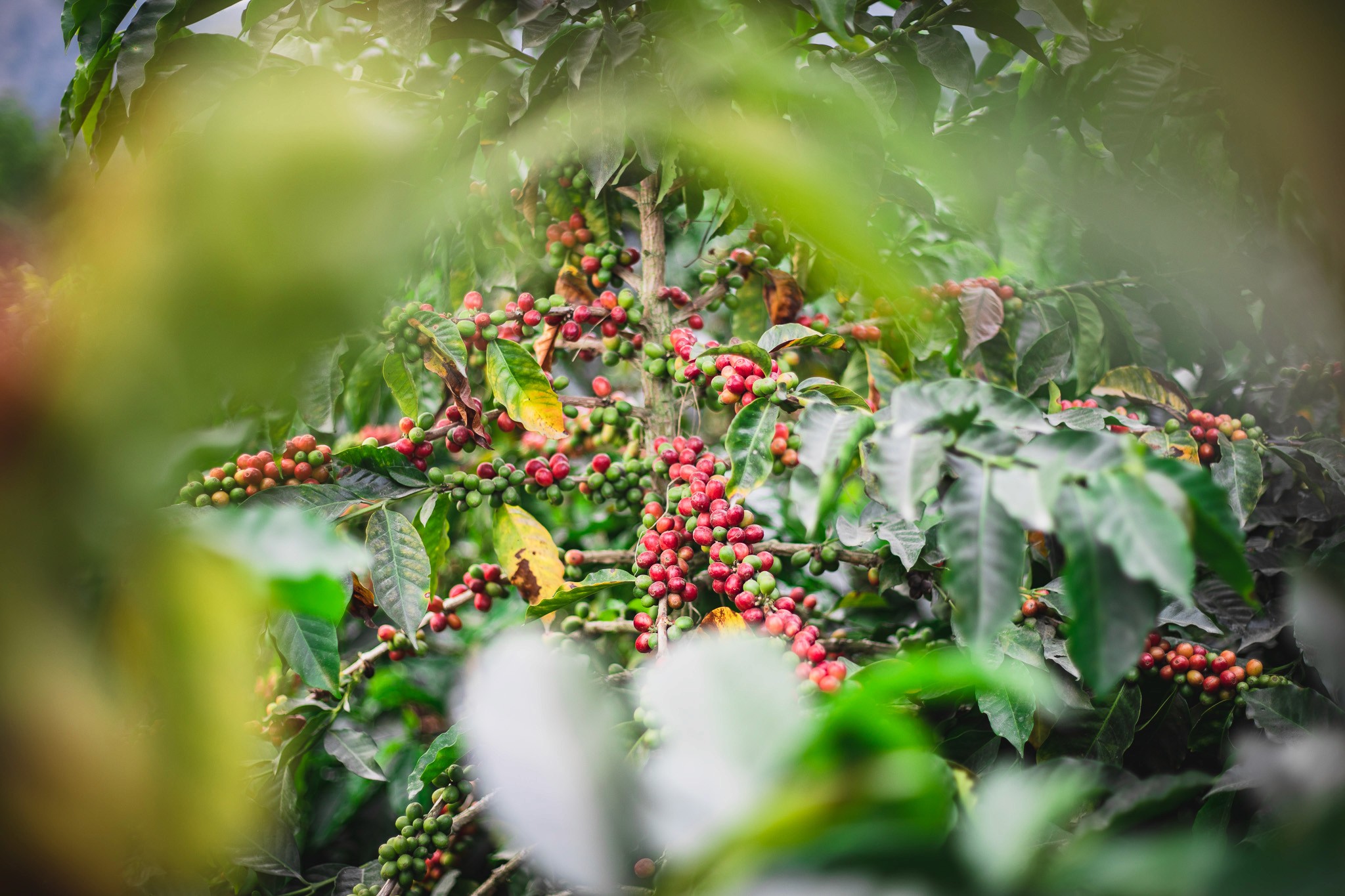

These standards are not intended to be static requirements, but a foundation for long-term stewardship and accountability. By meeting and continuously improving upon them, producers contribute to a more transparent, responsible, and resilient agricultural system. One that supports both the people who grow the product and the environments in which it is cultivated.
Aiming for the impact of multiple lifetimes.